

Why a Root Canal Isn't Always the Only Option

Many patients come to Upland Lighthouse Dentistry after being told they need a root canal.

While root canals are a common way to avoid extraction, the procedure removes the living tissue of the tooth entirely. Dr. Perez believes that should never be the first option, especially when a cavity is close to the nerve but the tooth may still be capable of healing.

Her approach focuses on:

  • Preserving the natural vitality of the tooth
  • Protecting the living pulp tissue when possible
  • Supporting the body’s natural healing response
  • Avoiding unnecessary root canal procedures

The key is knowing whether the tooth is still vital. At Upland Lighthouse Dentistry, we use proper vitality testing, so we don’t guess, we know.

How Root Canal Alternative Therapy Works

When the pulp becomes irritated or inflamed but is still capable of healing, certain root canal alternative therapies can help stabilize the tooth while keeping the pulp alive. Dr. Perez carefully evaluates the condition of the tooth to determine whether vital pulp therapy may help maintain the natural function.

These treatments are designed to protect the pulp and support healing, allowing the tooth to continue functioning as a living structure.

Patient Case: Tooth Saved Without a Root Canal

A 31-year-old woman came to our office requesting to have her tooth extracted. Three weeks earlier, she had been told by another dentist that she needed a root canal, and she was concerned about how root canals can affect overall health.

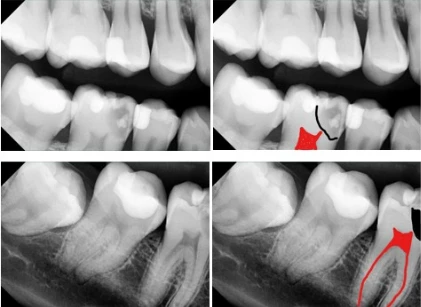
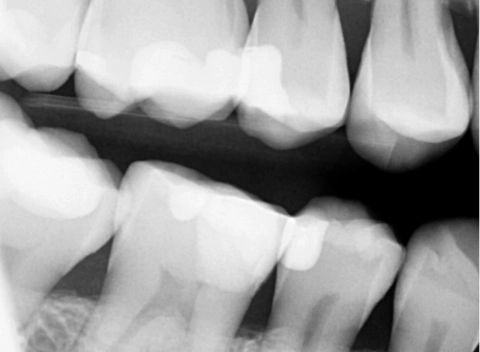
An X-ray revealed a large cavity very close to the tooth’s nerve. Although the cavity appeared to have affected the nerve, proper vitality testing showed the nerve was still alive and responding. This indicated that the tooth was still a candidate for a root canal alternative.

We treated the tooth using ozone therapy, then restored it with biocompatible materials that promote regeneration of tooth structure, protect the nerve, and support natural healing.

Two years later, the tooth remains vital, healthy, and pain-free without a root canal.

This case demonstrates that treatment decisions should not be based on X-rays alone. Proper vitality testing tells us the true health of the nerve and whether a more conservative option is possible.

Not Sure If You Need a Root Canal?

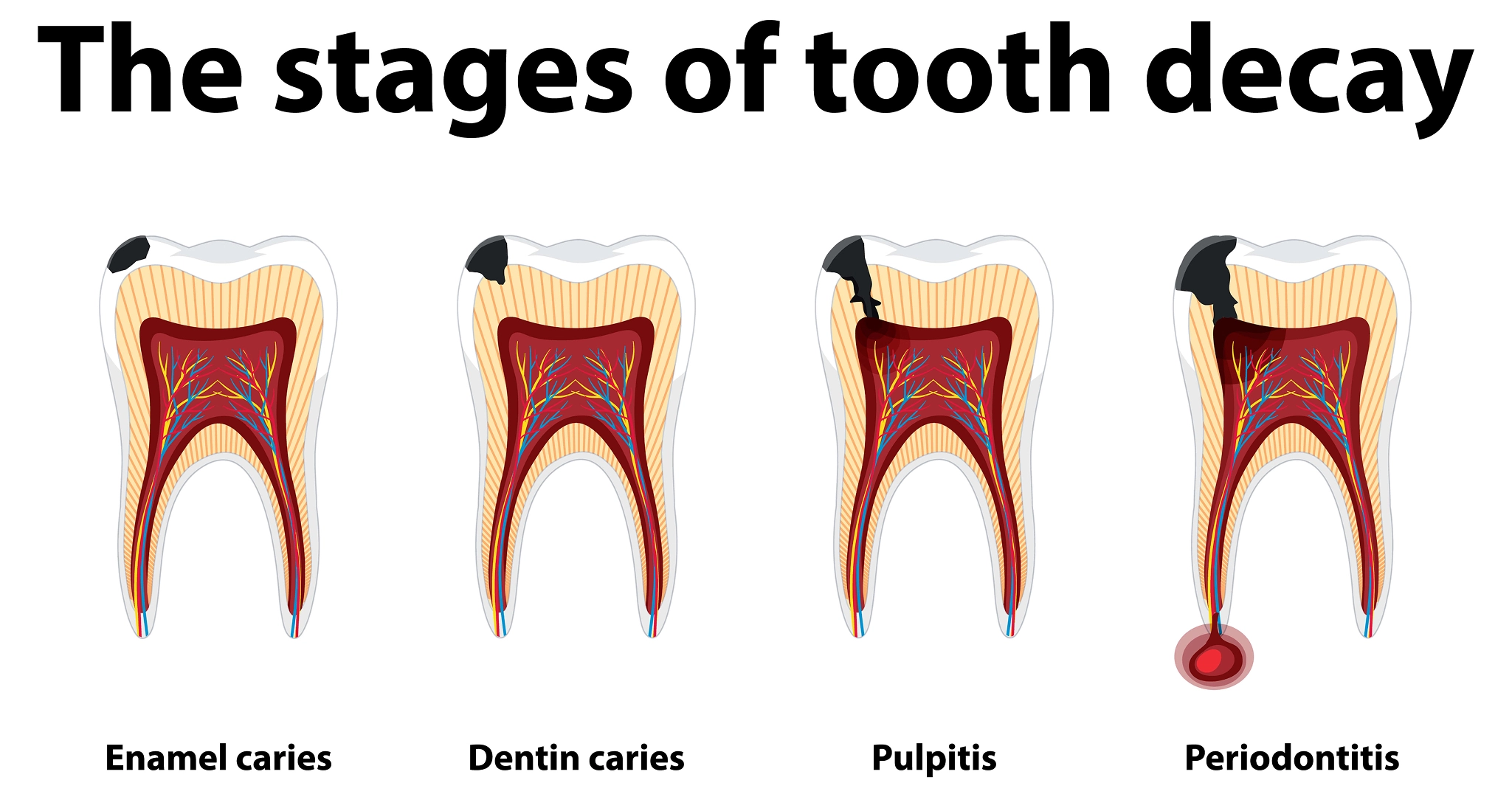
Not every patient with pulpitis needs a root canal. The stage of decay matters. At Upland Lighthouse Dentistry, we assess each case individually using vitality testing to determine whether the tooth can be saved.