

At Upland Lighthouse Dentistry, we look beyond symptoms to understand how breathing, jaw development, and oral structures may affect your sleep and overall health.
Sleep Apnea & Airway Health
Helping You Sleep Better
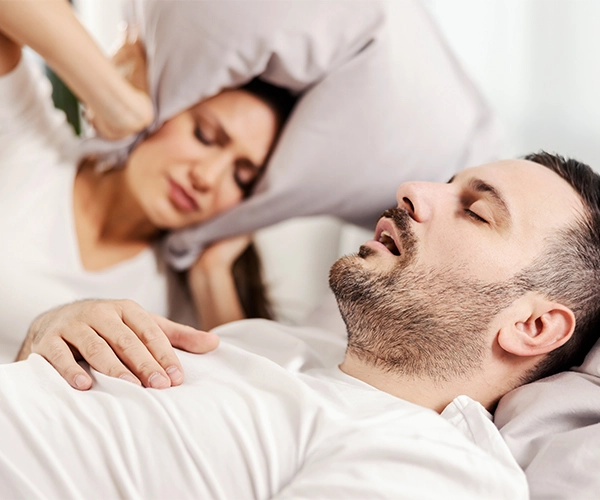
What Are Sleep Apnea and UARS?
Many people struggle with poor sleep without realizing that the problem is related to how they breathe at night.
Sleep Apnea
Sleep Apnea is a condition where breathing repeatedly stops or becomes blocked during sleep. These interruptions can happen many times each night, reducing oxygen levels and preventing deep, restorative rest.
UARS (Upper Airway Resistance Syndrome)
UARS is a lesser-known breathing disorder where airflow becomes restricted, forcing the body to work harder to breathe during sleep. Even without full airway collapse, sleep quality can be significantly affected.
Why It Matters
Untreated breathing disorders during sleep have been linked to:
- Chronic fatigue
- Anxiety
- High blood pressure
- Alzheimer’s disease
- Cancer risk
- Brain fog and poor concentration
- Cardiovascular stress
- Increased inflammation
- Greater risk of long-term chronic disease
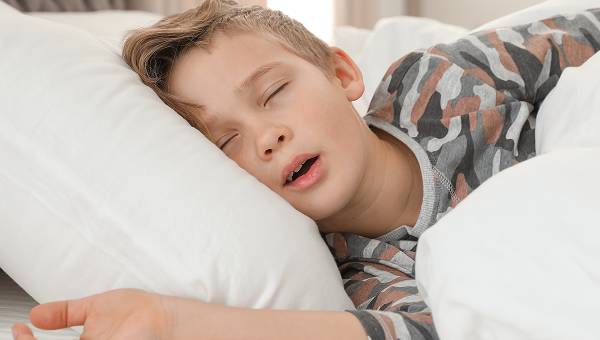
In Children, It May Look Like:
- Hyperactivity
- Irritability
- Poor focus
- Mouth breathing
- Restless sleep
- Bedwetting
- Behavioral concerns
Sleep-disordered breathing doesn’t always look obvious, and many people live with it for years without answers.
Do I Have Sleep Apnea?
Many patients assume they are “just tired” or “bad sleepers” when breathing issues is the real cause.
Common warning signs include:
- Loud snoring
- Waking tired after a full night of sleep
- Morning headaches
- Daytime fatigue
- Difficulty concentrating
- Dry mouth in the morning
- Teeth grinding
- Frequent waking during the night
- Restless sleep
- Mood changes or irritability

Not Sure If It Sounds Like You?
Traditional Treatment Isn’t the Only Option
Most patients diagnosed with sleep apnea are usually offered one of these solutions:
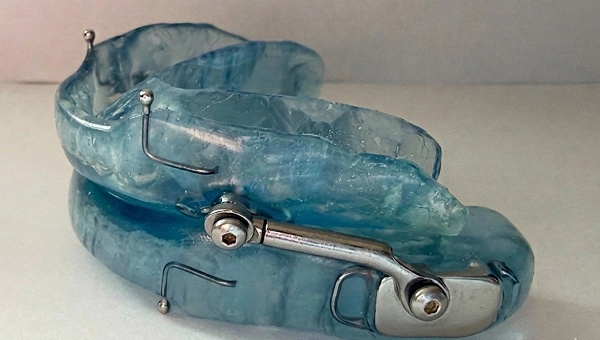
Mandibular Advancement Device
This oral appliance repositions the lower jaw forward during sleep, opening the airway and reducing obstruction by creating more space at the back of the throat. However, it may not be ideal for patients with underlying TMJ problems, jaw pain, or bite instability.
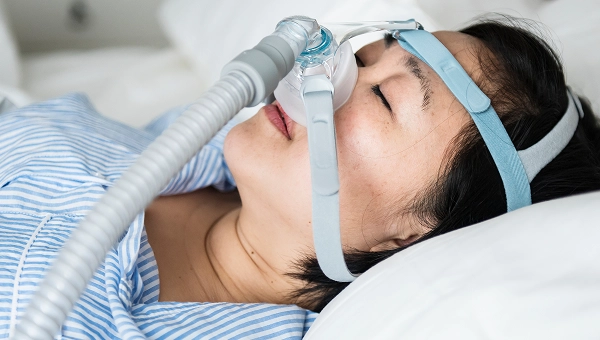
CPAP Machine
A CPAP uses pressurized air through a mask to keep the airway open during sleep. While effective for many patients, some find it uncomfortable or difficult to use consistently.
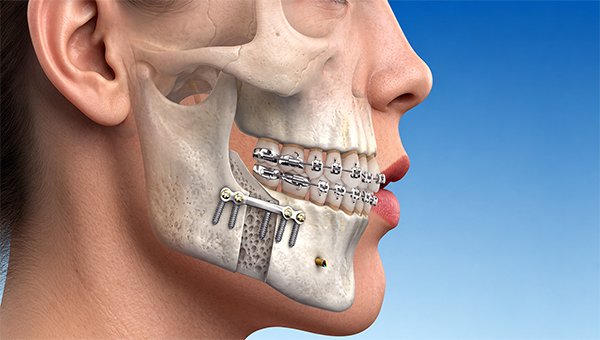
Orthognathic Surgery
Orthognathic surgery is a corrective jaw procedure that realigns the upper and lower jaws to improve bite function, facial balance, breathing, and overall oral health. It is often recommended when jaw misalignment cannot be corrected with orthodontic treatment alone.
What Is the Difference in Dr. Perez's Approach?
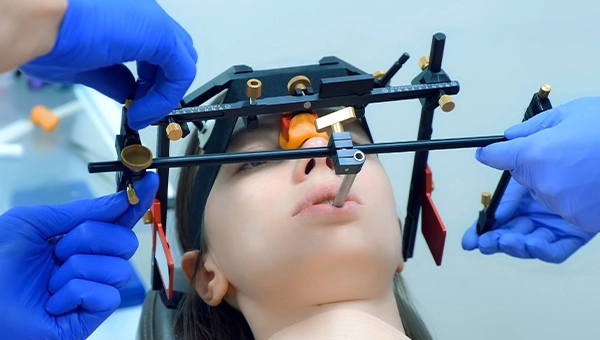
At Upland Lighthouse Dentistry, Dr. Perez takes a more comprehensive approach by exploring why the airway is restricted in the first place. Using CT scan imaging and performing an airway analysis, she evaluates whether the problem is related to jaw development, tongue posture, bite balance, or oral function. In many cases, airway deficiencies are improved non-invasively, without relying on a lifelong appliance.
Every patient is different. Sometimes Sleep Apnea can be treated or improved with:
- Myofunctional Therapy
- Mandibular Advancement
- Orthodontic Treatment
- Vivos DNA Appliance
- Combination Therapy
Your treatment plan is based on your anatomy, symptoms, and long-term goals.
A More Personalized Airway Approach
In many cases, airway deficiencies may be improved non-invasively, without relying on a lifelong appliance.
A Patient Story
When Orthodontic Treatment from Decades Ago Was the Hidden Cause
A 63-year-old patient came to us complaining about TMJ problems, such as jaw clicking, neck pain, and shoulder pain. Dr. Perez was able to identify a more serious condition that required attention in the treatment planning. A sleep study confirmed she was suffering from moderate sleep apnea, which patient was unaware of, a condition that has a significant impact on your daily quality of life. Her sleep test results showed patient stopped breathing 11 times per hour, for more than10 seconds at a time — sometimes up to 24 seconds which was quietly impacting her overall health by increase your long-term risk of developing life-threatening health complications
After a thorough evaluation, Dr. Perez traced the root cause back to orthodontic treatment she had received at age 21, where premolars were extracted rather than the palate being expanded. This reduced the space for her tongue, narrowing her airway, and over decades, affected her posture — contributing to both her TMJ dysfunction and her neck and shoulder tension.
After TMJ treatment with Myoaligner®, her airway showed measurable improvement, and a follow-up sleep test confirmed she no longer has sleep apnea and did not need a CPAP machine, any uncomfortable oral appliance or an orthognathic surgery. Her airway remained clear 24/7 the moment we fitted the oral appliance. The patient personally decided not to wear a long-term Myoaligner and is now in the final phase of care — using Ortho with clear aligners to create proper space for her tongue.
The overall goal of treatment has been to restore what was previously lost and her life has forever been changed, just bringing her jaw in the correct balance.
An added benefit: the comprehensive records gathered throughout her treatment allowed us to demonstrate to her medical insurance that she was suffering from a medical condition with a dental solution — resulting in full coverage for her treatment.
This is what treating the root cause looks like.
During an airway evaluation, Dr. Perez may assess:

Upper and Lower Jaw Relationship
Airway
Space
Teeth
Grinding
TMJ
Function
Dental Arch
Development
Tongue Function
& Posture
This comprehensive view allows us to identify oral structures that may affect breathing and sleep quality.
The Vivos DNA Appliance
The Vivos DNA Appliance is designed to encourage natural arch development and create more room for the tongue and airway over time. It works by stimulating the stem cells in the roots of the teeth to promote bone formation and gradually expand the dental arches through a non-invasive procedure. This is used when arch expansion cannot be achieved by orthodontic treatment alone.
Potential Benefits:
- Increased airway volume
- Better nasal breathing
- Improved jaw balance
- Reduced snoring
- Better sleep quality
Dr. Perez will determine whether this treatment is appropriate for your needs.

Why Better Sleep Matters
When you breathe better at night, your body functions better during the day.
Healthy sleep supports:
- Energy and alertness
- Focus and memory
- Hormonal balance
- Cardiovascular health
- Mood stability
- Long-term wellness