Key Takeaways
- A TMJ-related headache may feel like pressure or aching around the temples, jaw, or ears.
- Common accompanying symptoms include jaw tenderness, stiffness, painful chewing, and restricted mouth movement.
- Clenching and teeth grinding may contribute to jaw muscle discomfort and headaches.
- Headaches and TMD can occur together without one necessarily causing the other.
- Conservative self-care may help some people, but persistent symptoms warrant professional evaluation.
- Sudden or severe headaches with warning signs require urgent medical attention.
Quick Answer
TMJ headache is usually a dull, aching pressure around the temples, in front of the ears, or along the cheek and jaw muscles. It can affect one or both sides. It often gets worse with chewing, yawning, or clenching, and it may come with jaw stiffness, clicking, or tender facial muscles.
What Is a TMJ Headache?
The temporomandibular joints connect your lower jaw to your skull, allowing you to talk, chew, yawn, and open your mouth. These joints work with surrounding muscles and other structures to support comfortable jaw movement.
Temporomandibular disorders (TMD) are a group of conditions that affect the jaw joints, chewing muscles, or both. They can cause jaw pain, muscle tenderness, difficulty moving the jaw, and pain that extends into nearby areas of the head and face.
A TMJ disorder headache may develop when pain from the jaw muscles or joints is referred to the head. Referred pain occurs when discomfort originating in one area is felt in another.
The relationship between jaw disorders and headaches can vary. Some people experience headaches alongside clear jaw symptoms, while others have headaches caused by different conditions. A proper assessment helps distinguish between these possibilities.
What Does a TMJ Headache Feel Like?
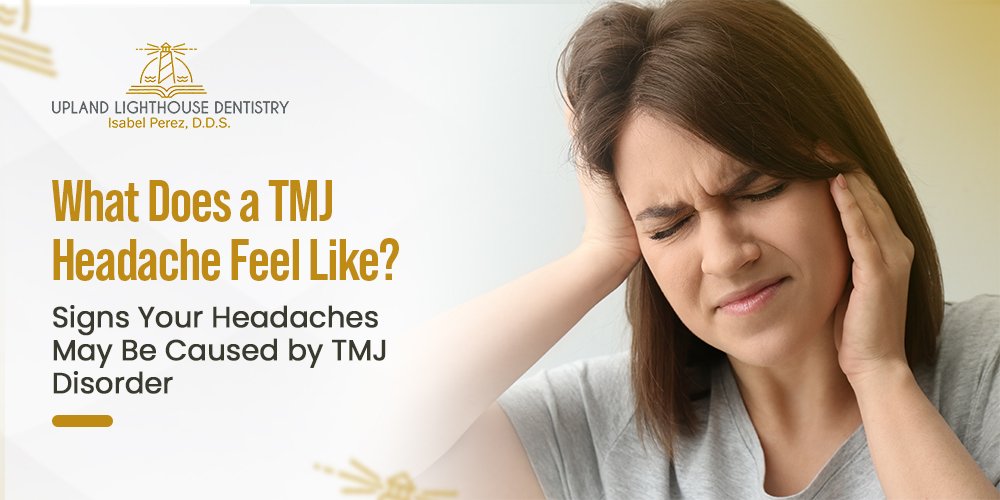
A TMJ headache can feel like a dull ache around the temples, pressure near the ears, or pain that spreads from the jaw into the face, forehead, or neck. It may occur alongside jaw stiffness, clicking, tenderness, or discomfort when chewing. These symptoms can be more noticeable after clenching your teeth, grinding them during sleep, or opening your mouth widely.
If you have been wondering what does a TMJ headache feel like, the answer depends on the underlying cause. Temporomandibular joint (TMJ) disorders affect the joints and muscles involved in jaw movement. When these structures become irritated or strained, the resulting pain may extend beyond the jaw and feel like a tension headache.
However, not every headache that occurs near the temple is related to the jaw. Understanding the location, pattern, and accompanying symptoms can help you determine whether a TMJ-related problem may be contributing to your discomfort.
Common Signs Your Headaches May Be Caused by TMJ Disorder?
Recognizing the signs of a TMJ headache can help you identify patterns worth discussing with a dentist or healthcare professional. According to the National Institute of Dental and Craniofacial Research (NIDCR), TMD symptoms may include jaw pain, facial discomfort, stiffness, and difficulty moving the jaw. Headaches may occur alongside these symptoms.
Common signs include:
Pain Around the Temples
A TMJ-related headache may feel like a dull ache, pressure, or tightness around one or both temples. Discomfort may become more noticeable after prolonged chewing or clenching.
Jaw Soreness and Tenderness
The jaw joints, cheeks, or chewing muscles may feel sore or tender. This discomfort can occur when opening the mouth, talking for extended periods, or eating.
Pain While Chewing
Some people experience increased discomfort when chewing food, yawning, or opening their mouths widely. This may indicate that the jaw joints or surrounding muscles are contributing to the pain.
Jaw Clicking or Popping
Clicking or popping sounds may occur when opening or closing the mouth. These sounds are not necessarily a sign of a disorder, particularly when they occur without pain or restricted movement.
Facial or Ear-Area Discomfort
Pain may extend around the ears, cheeks, or sides of the face. When these symptoms occur alongside jaw tenderness or difficulty moving the jaw, they may warrant an evaluation for TMD.
Neck Tension
Some people experience neck soreness or muscle tightness alongside jaw discomfort. However, neck pain can have several causes and does not independently confirm a TMJ disorder.
Morning Headaches
Headaches or jaw soreness upon waking may occur in people who clench their teeth or grind them during sleep. Morning headaches can also be associated with other conditions, so recurring symptoms should be evaluated rather than automatically attributed to TMD.
Not everyone with TMD experiences all these symptoms. Clicking without pain is also common and does not necessarily indicate a problem requiring treatment.
Can TMJ Disorders Cause Headaches?
Can TMJ Disorders Cause Headaches is an important question for people who experience recurring head pain alongside jaw discomfort.
The jaw joints and the muscles responsible for chewing work closely with surrounding facial structures. When these muscles or joints are painful, discomfort may spread into the temples and other nearby areas. Some headaches are classified as secondary headaches associated with TMD, meaning the headache is linked to the jaw disorder.
However, the relationship is not always straightforward. Migraines and tension-type headaches can coexist with TMD, and headaches may have several contributing factors. The presence of jaw pain does not automatically mean the jaw is responsible for every headache.
At Upland Lighthouse Dentistry, patients can explore a TMJ-focused dental evaluation to determine whether jaw symptoms may be contributing to their discomfort.
How Does Jaw Pain Cause a Headache?
The phrase “jaw pain causing headache” describes a possible connection between discomfort in the jaw and pain experienced in the head. Several factors may contribute to this pattern.
1. Overworked Jaw Muscles
Repeated clenching, teeth grinding, or prolonged chewing can place extra demands on the muscles responsible for moving the jaw. When these muscles become sore or tender, pain may be felt around the temples or face.
2. Irritation of the Jaw Joint
The temporomandibular joint contains structures that support smooth jaw movement. Certain joint disorders can cause pain during opening, closing, or chewing. This discomfort may extend into surrounding areas.
3. Teeth Clenching and Grinding
Some people clench their teeth during the day or grind them during sleep without realizing it. These habits may contribute to jaw muscle soreness and headaches, particularly upon waking.
4. Overlapping Pain Conditions
TMD and headache disorders can occur together. A person may have jaw-related pain, migraine, tension-type headaches, or more than one condition at the same time. Identifying the pattern and evaluating other possible causes is important before choosing a treatment.
These mechanisms are recognized in clinical guidance on TMD, but the specific cause of an individual headache cannot be established from symptoms alone.
TMJ Head Pain vs. Other Types of Headaches
Understanding how TMJ head pain differs from other headaches can help you describe your symptoms more clearly during an appointment. However, symptom patterns overlap, so this comparison is not a substitute for diagnosis.
| Feature | Possible TMJ-related headache | Other headache types |
|---|---|---|
| Pain location | Often around the temples, jaw, or ears | May occur in the forehead, behind the eyes, one side of the head, or other areas |
| Jaw movement | May worsen with chewing or opening the mouth | May not change with jaw movement |
| Jaw symptoms | May occur with tenderness, stiffness, or restricted movement | May occur without jaw symptoms |
| Triggers | Clenching, grinding, or jaw use may contribute | Triggers vary and may include sleep disruption, stress, or other factors |
| Additional symptoms | Jaw soreness or painful clicking may be present | Migraine may involve nausea and sensitivity to light or sound |
What Can Help Relieve TMJ Headaches?
The appropriate approach depends on the cause and severity of the symptoms. For many uncomplicated TMD problems, conservative measures may help reduce discomfort.
Consider these practical steps:
- Choose softer foods temporarily: Avoid foods that require excessive chewing while your jaw is sore.
- Reduce clenching habits: Keep your jaw relaxed when you notice yourself pressing your teeth together.
- Try a warm or cold compress: Apply a comfortable heat or cold pack wrapped in a cloth to the affected area.
- Avoid excessive jaw movement: Limit gum chewing and avoid repeatedly opening your mouth very wide.
- Track your symptoms: Note when headaches occur, what triggers them, and whether jaw movement changes the pain.
- Seek professional guidance: A dentist or healthcare professional can assess your symptoms and discuss suitable treatment options.
Note:
Avoid starting treatments that permanently change your bite or jaw structure without a clear diagnosis and a discussion of the risks, benefits, and alternatives.
When Should You See a Dentist for Jaw Pain and Headaches?
If you experience recurring headaches alongside jaw pain, facial tenderness, or difficulty opening your mouth, consider scheduling an evaluation. A dentist can examine your jaw movement, check for muscle tenderness, and review your dental history. Depending on your symptoms, a medical professional may also need to assess other potential causes.
At Upland Lighthouse Dentistry’s TMJ treatment service, Dr. Isabel Perez offers evaluations focused on jaw function and related symptoms. The findings can help determine whether further dental assessment or referral is appropriate.
A broader evaluation may also consider other aspects of oral health and breathing. Learn more about airway dentistry and sleep-related concerns, particularly if your symptoms include snoring, disrupted sleep, or persistent morning headaches. These symptoms can have multiple causes and should not automatically be attributed to the jaw.
Seek urgent medical care for a sudden, extremely severe headache, a headache accompanied by weakness, confusion, difficulty speaking, or vision loss, or a headache with fever and a stiff neck. These may indicate a medical emergency rather than a dental problem.
How Does a Holistic Dental Approach Consider Jaw Pain?
A holistic dental approach considers oral health within the broader context of a person’s health and daily functioning. When evaluating jaw discomfort, a dentist may review symptoms, jaw movement, clenching habits, dental history, and other relevant concerns.
At Upland Lighthouse Dentistry, this approach reflects the practice’s emphasis on individualized care. You can learn more about Understanding Holistic Dentistry and its Dental Philosophy.
For patients exploring their options, learning about Dr. Isabel Perez can also provide background on the dentist and her approach to care.
It is important to remember that holistic dentistry does not replace a medical evaluation when headaches may have a neurological or other non-dental cause. Treatment recommendations should be based on an appropriate assessment, available evidence, and the patient’s individual needs.
Conclusion
Understanding what does a TMJ headache feel like can help you recognize when recurring head pain may be connected to jaw discomfort. Pressure around the temples, soreness near the ears, pain while chewing, and jaw stiffness are possible clues, particularly when they occur together.
However, these symptoms do not confirm a TMJ disorder, and headaches can have several underlying causes. Tracking your symptoms and seeking an appropriate evaluation can help you identify the likely source of discomfort and understand your options.
Frequently Asked Questions
What does a TMJ headache feel like compared with a regular headache?
A TMJ-related headache often involves aching or pressure around the temples and may occur with jaw soreness, tenderness, or pain during chewing. Other headaches can produce similar sensations, so accompanying symptoms and a professional evaluation help clarify the cause.
Can TMJ headaches occur every day?
Some people experience recurring or persistent headaches alongside TMD symptoms. However, daily headaches can have several causes and should be assessed by a healthcare professional rather than automatically attributed to the jaw.
Can jaw pain and headache occur without jaw clicking?
Jaw clicking is not required for TMD to be present. Some people experience pain or muscle tenderness without clicking, popping, or other noticeable joint sounds.
Can teeth grinding cause headaches in the morning?
Teeth grinding and clenching may contribute to morning jaw soreness and headaches because they place repeated demands on the chewing muscles. However, morning headaches can also be associated with sleep-related conditions and other health issues.
How are TMJ-related headaches diagnosed?
A dentist or healthcare professional may review your symptoms and medical history, examine your jaw movement, and check for tenderness. Additional tests or referrals may be appropriate when the diagnosis is uncertain, or other conditions need to be ruled out.